Español
 English


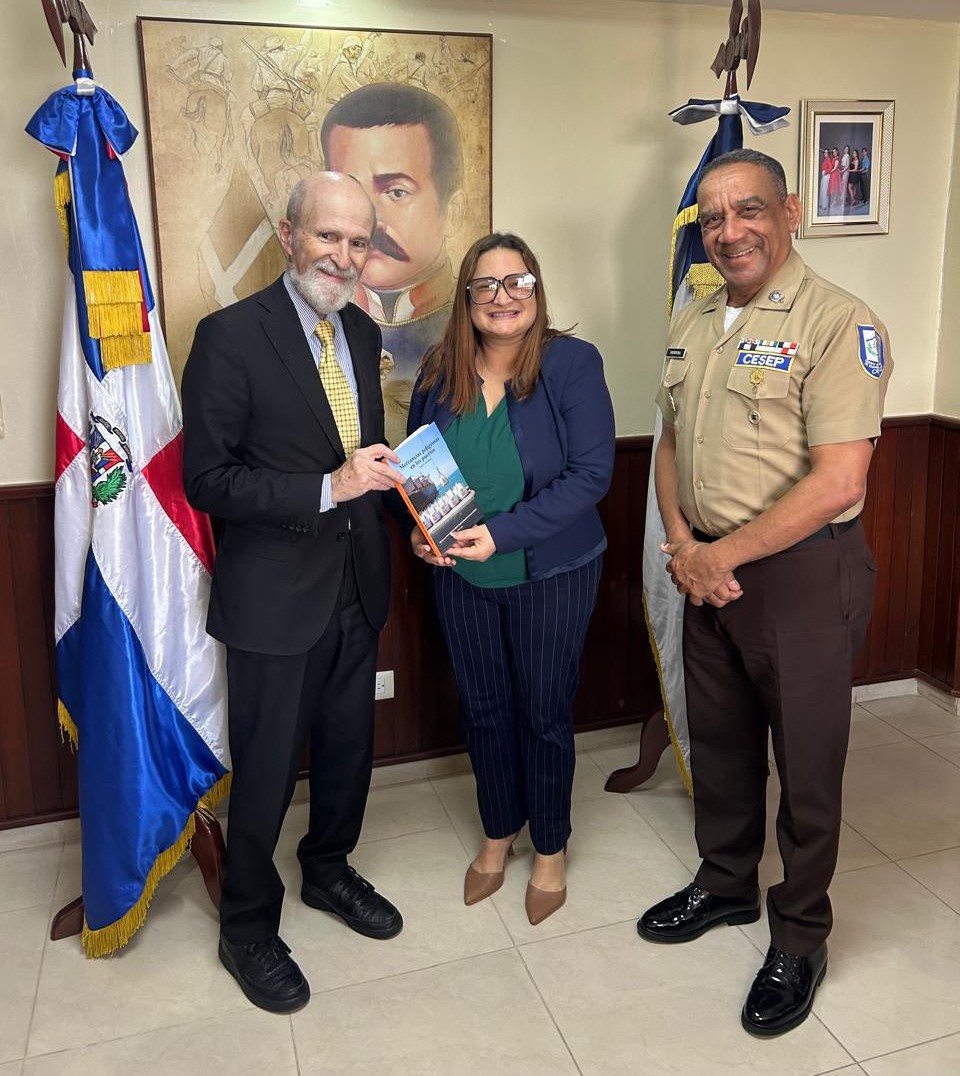
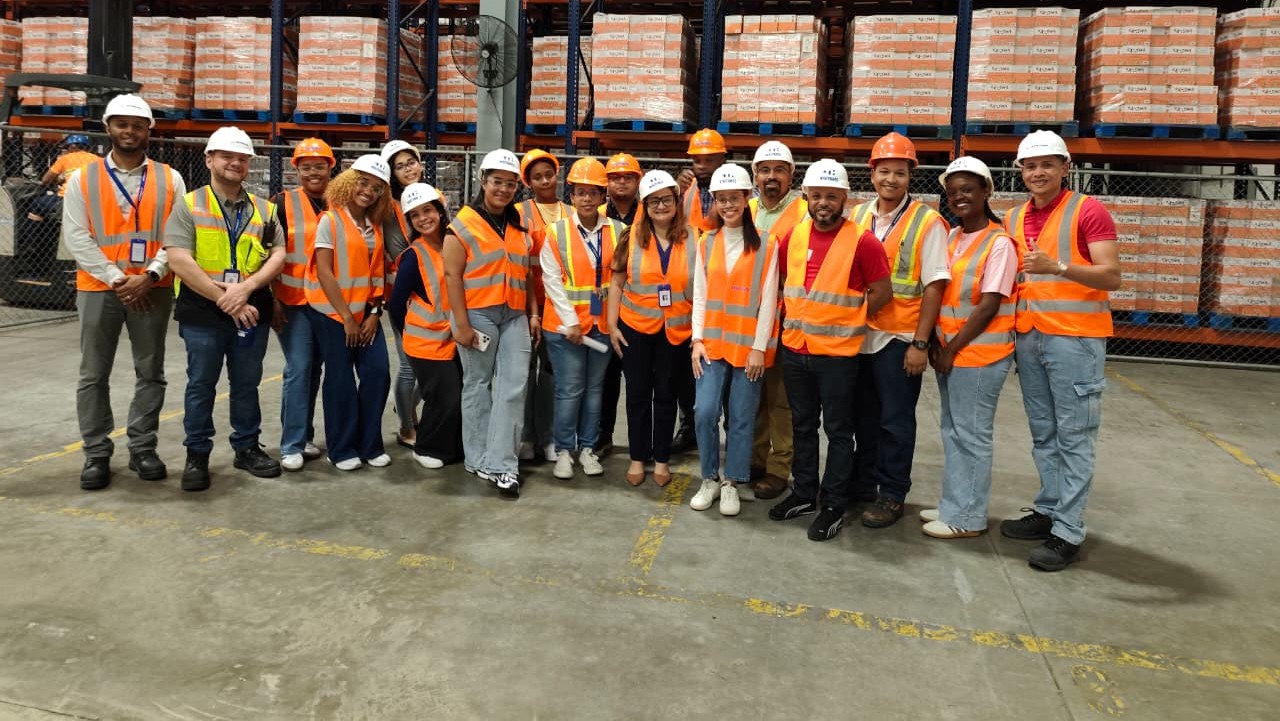
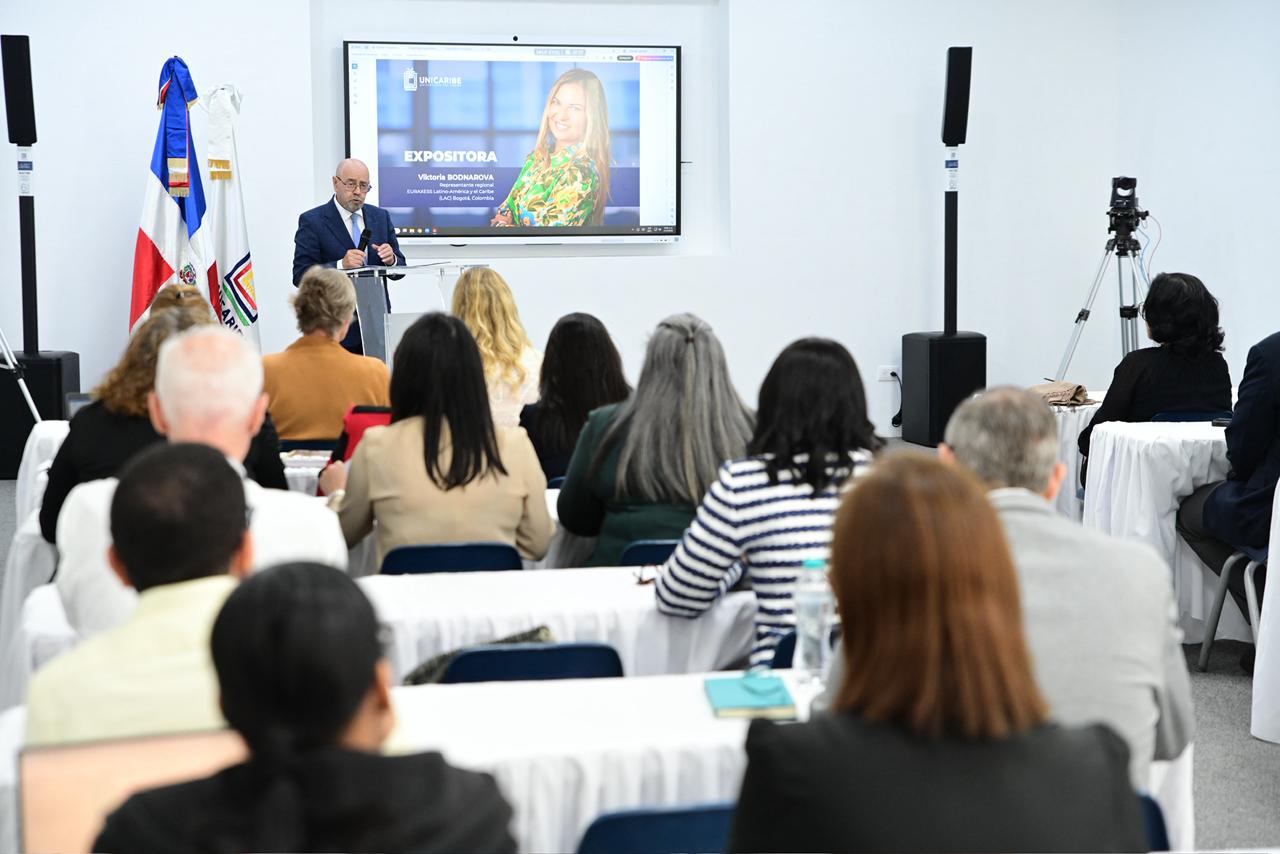
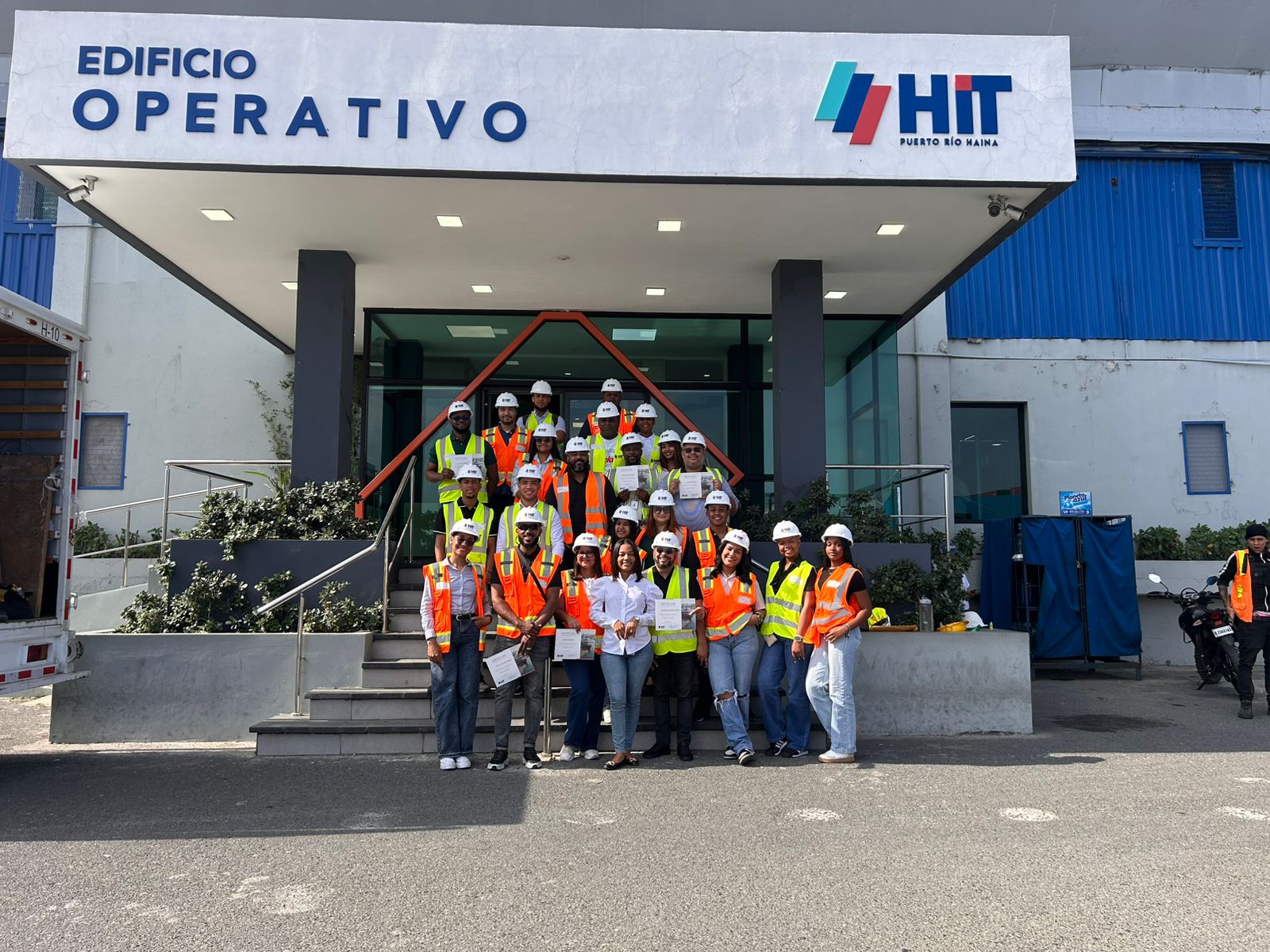
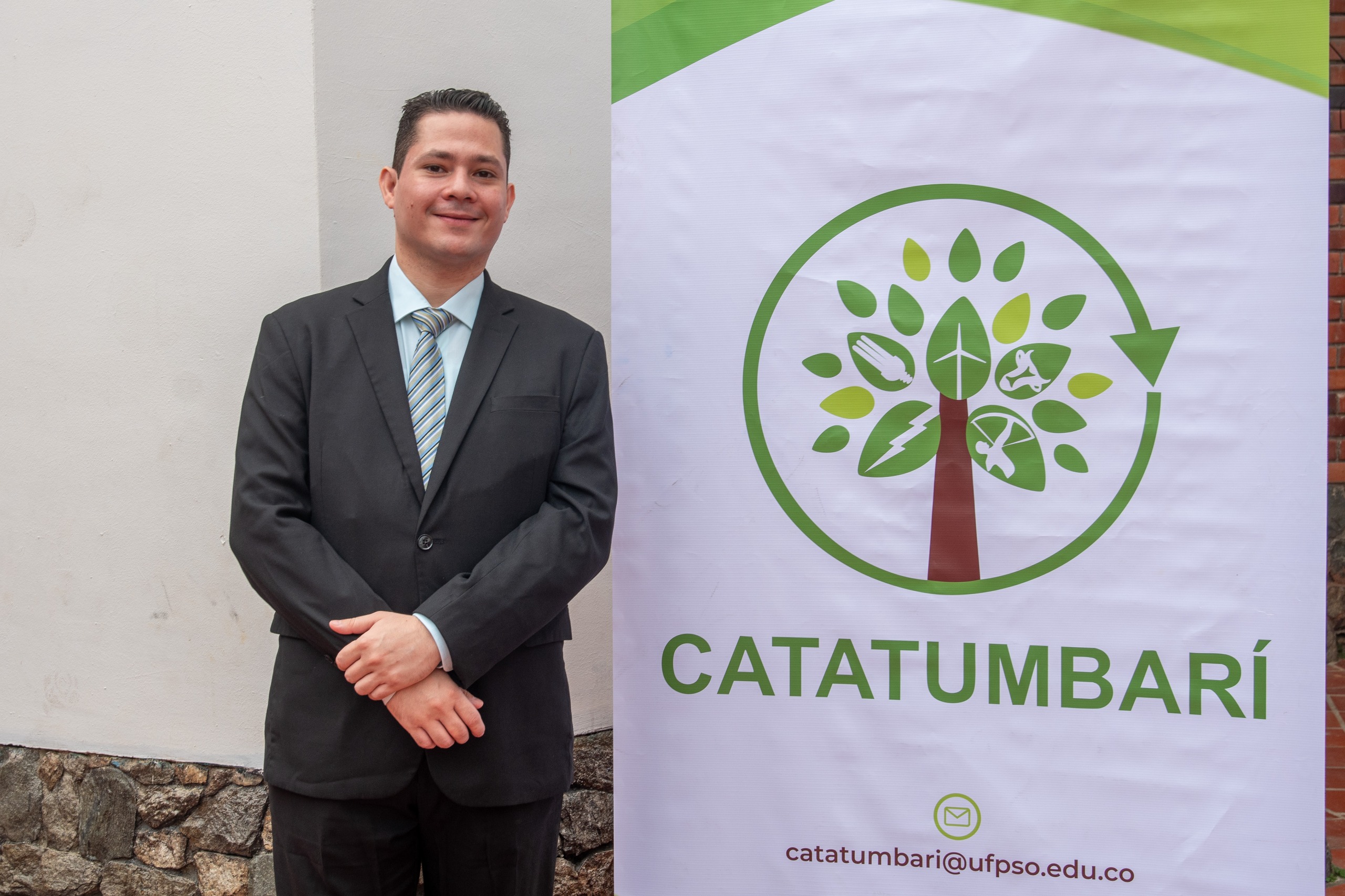
Santo Domingo, Dominican Republic. — La Universidad del Caribe (UNICARIBE) participated in the 5th Catatumbarí International Seminar, with the participation of Professor Víctor Antonio Haché Pepén, lecturer in the Bachelor’s Degree in Environmental Management and Renewable Energy, who was invited as an international speaker at this academic event held in Colombia.
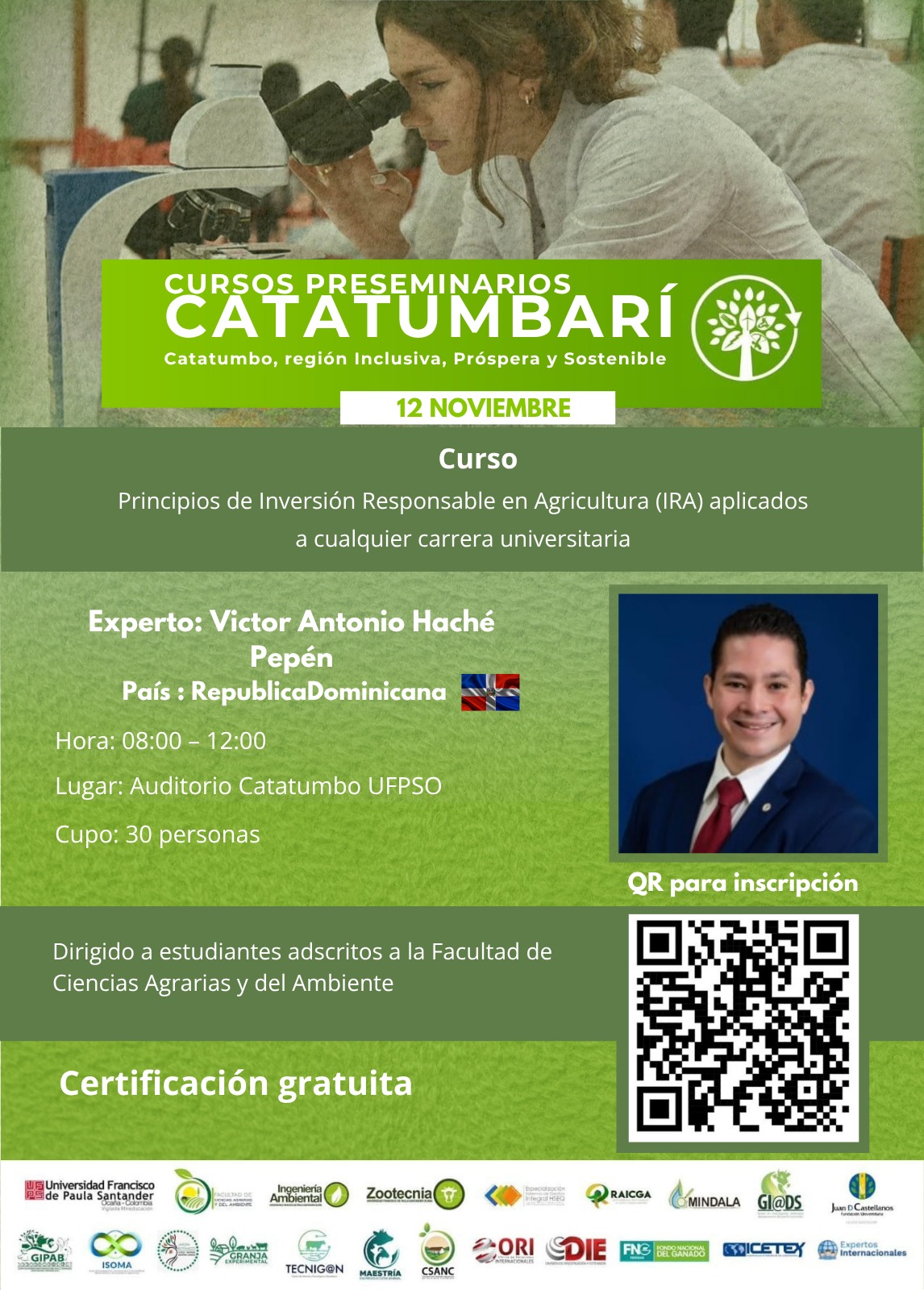
The event, organized by the Universidad Francisco de Paula Santander – Seccional Ocaña (UFPSO), took place on November 13 and 14, 2025, under the slogan “Catatumbo: an inclusive, prosperous, and sustainable region.” It brought together national and international experts from Ecuador, Mexico, and the Dominican Republic, as well as students, teachers, researchers, and administrative staff.
As part of the V Catatumbarí International Seminar, Professor Víctor Haché participated as a facilitator in the pre-seminar workshop, held on November 12, with a course entitled “Principles of Responsible Investment in Agriculture (IRA) applied to any university degree program.”
During this training session, aimed at students from the Faculty of Agricultural and Environmental Sciences, Professor Haché took a practical approach to addressing the fundamentals of responsible investment in the agricultural sector, highlighting its relationship with environmental sustainability, efficient resource management, and territorial development. The workshop allowed participants to reflect on the integration of these principles in different professional fields, beyond agricultural sciences, promoting a cross-cutting vision of sustainability.
UNICARIBE’s participation in the Catatumbarí International Seminar is part of its commitment to academic internationalization, knowledge exchange, and cooperation among higher education institutions in the region, strengthening academic dialogue and the development of shared solutions to environmental and social challenges.
Likewise, this type of initiative reinforces UNICARIBE’s institutional commitment to international university collaboration, training with a global focus, and links with academic networks oriented toward sustainable development and innovation based on knowledge.
Author:
María José Brito, Coordinator of the Bachelor’s Degree in Environmental Management and Renewable Energy – Universidad del Caribe (UNICARIBE).