Español
 English






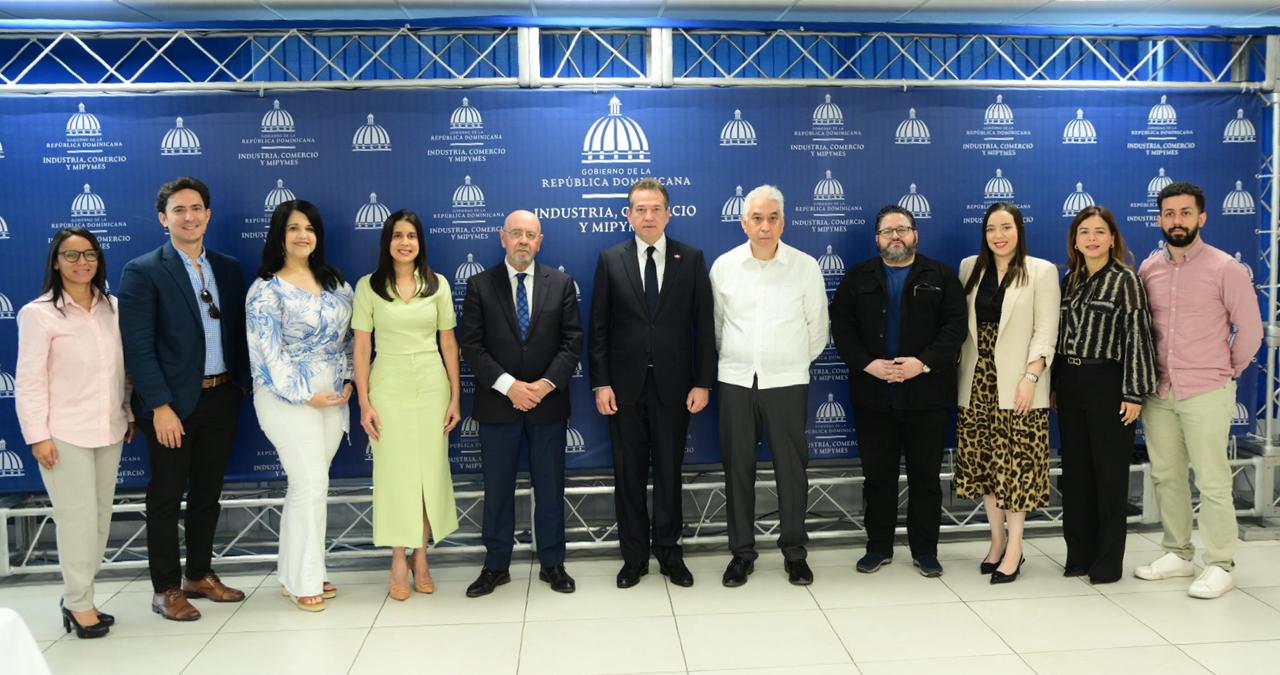
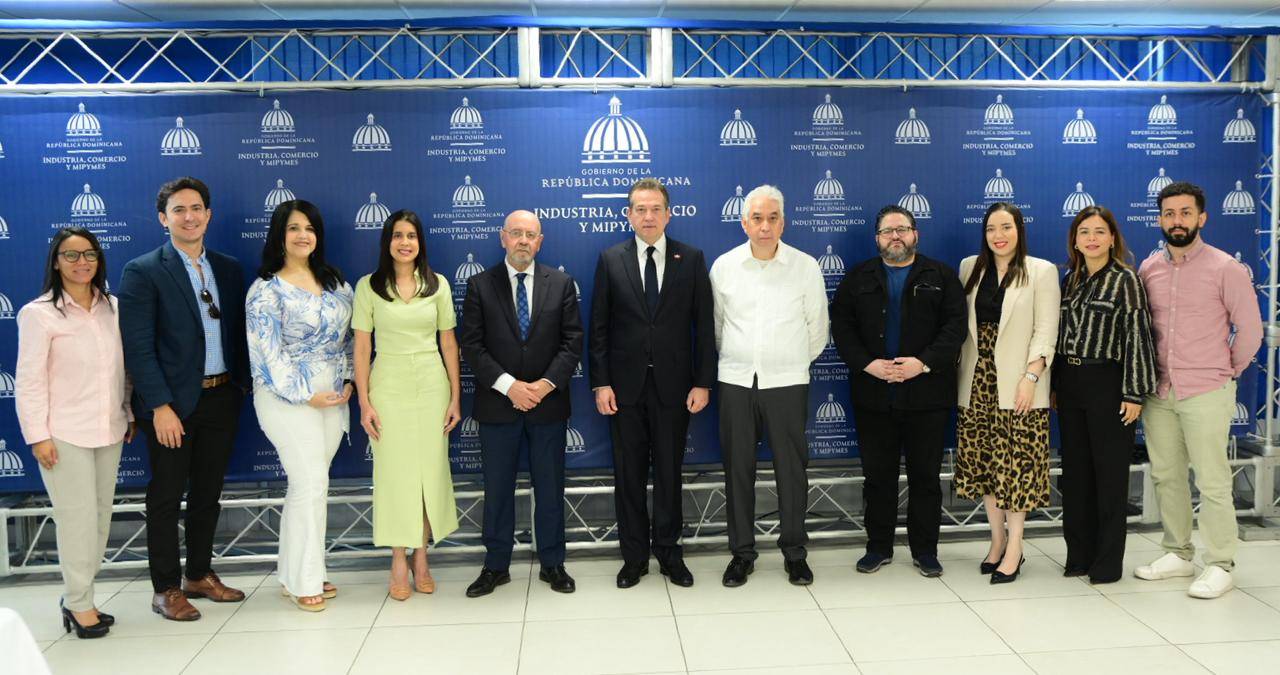
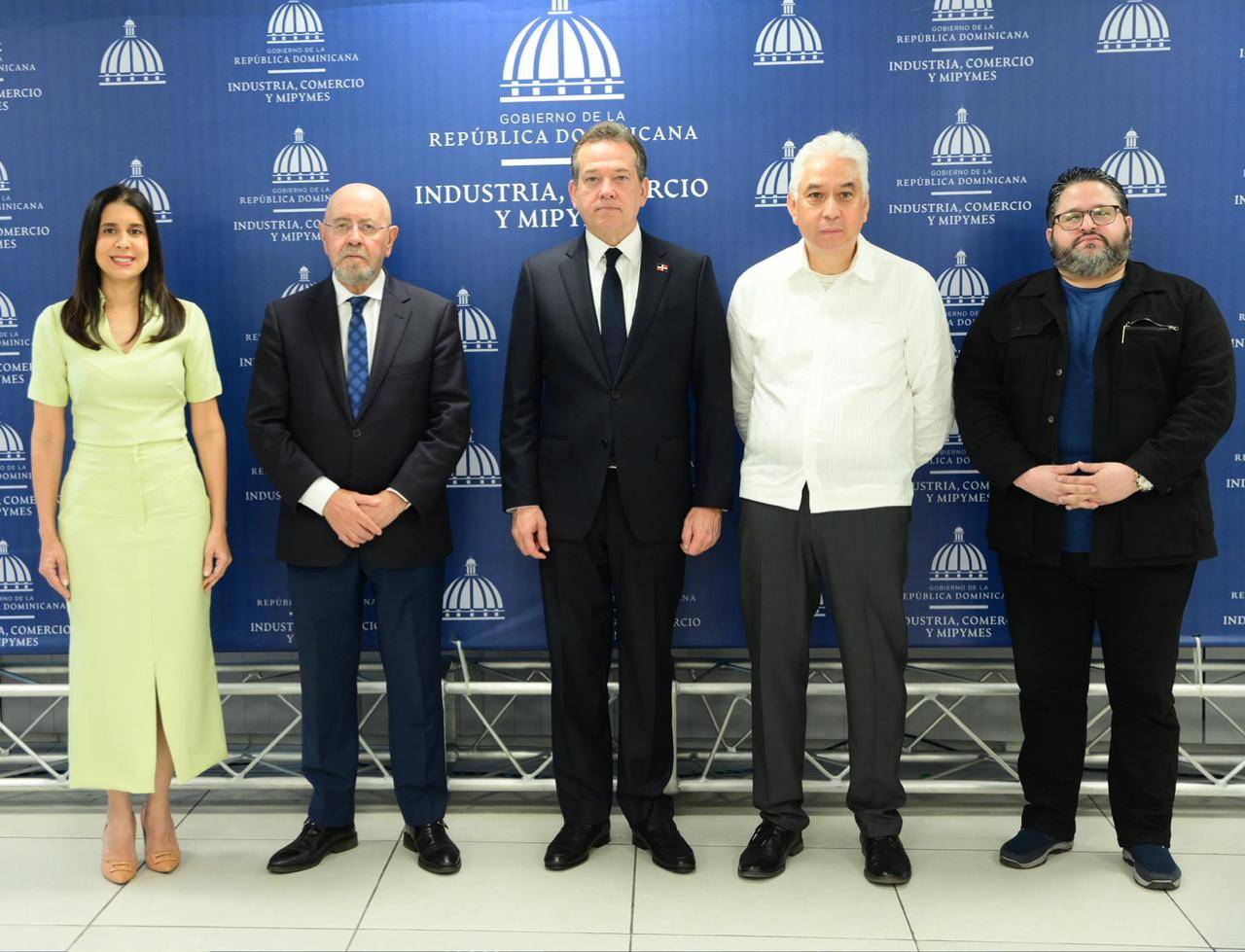
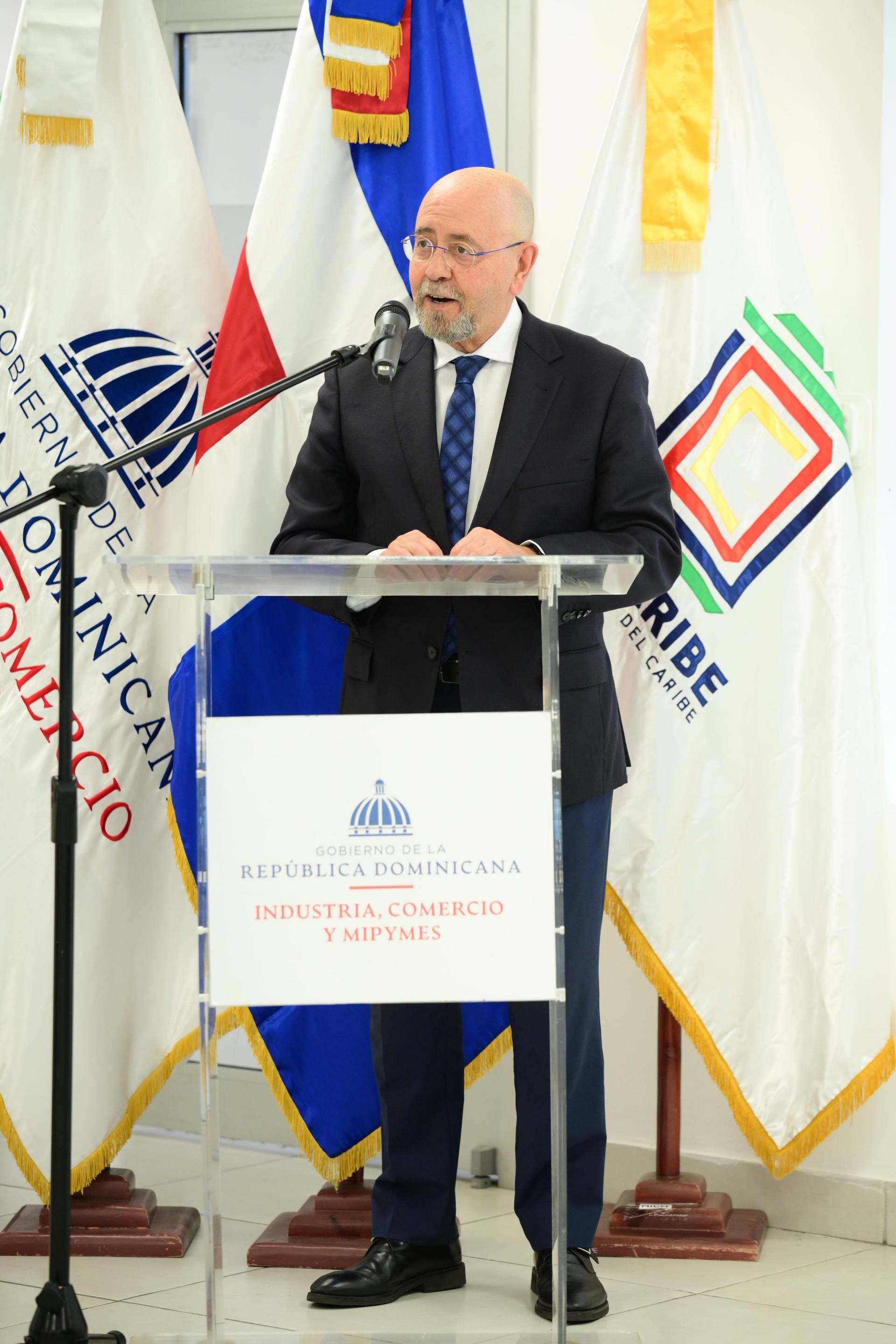
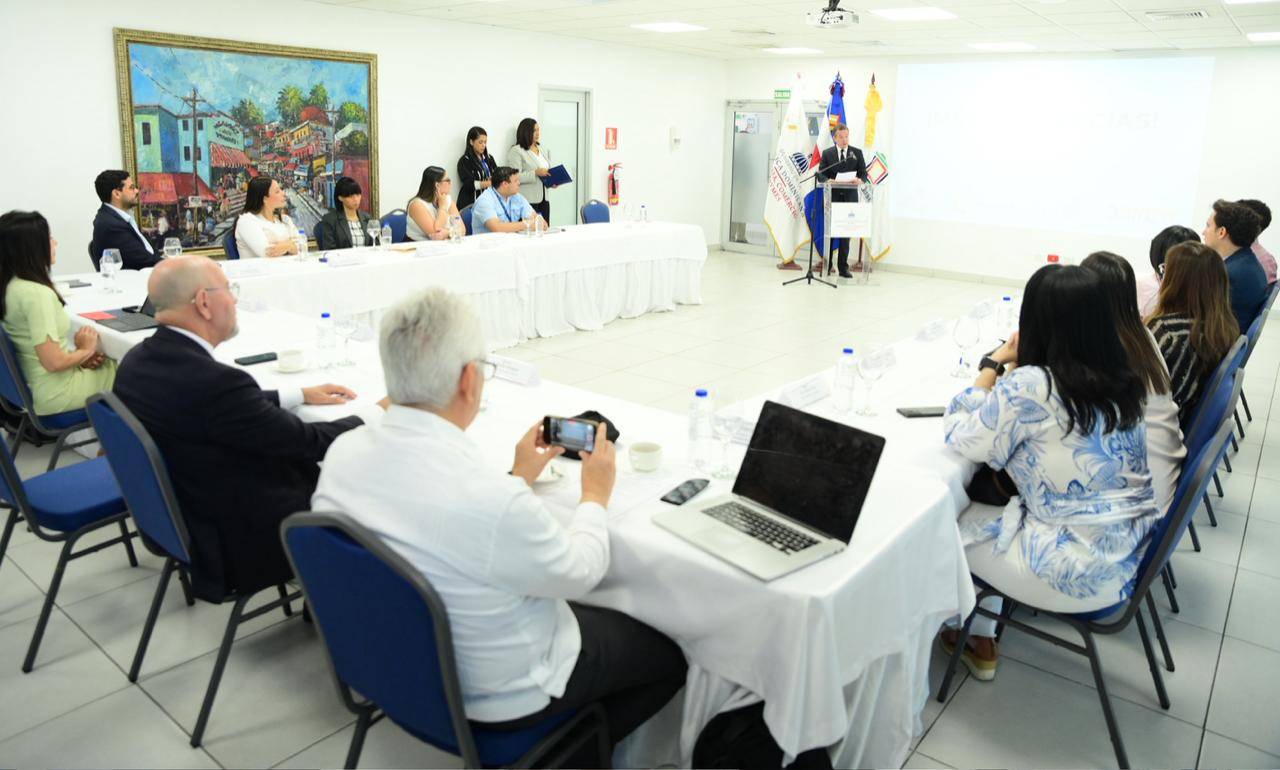
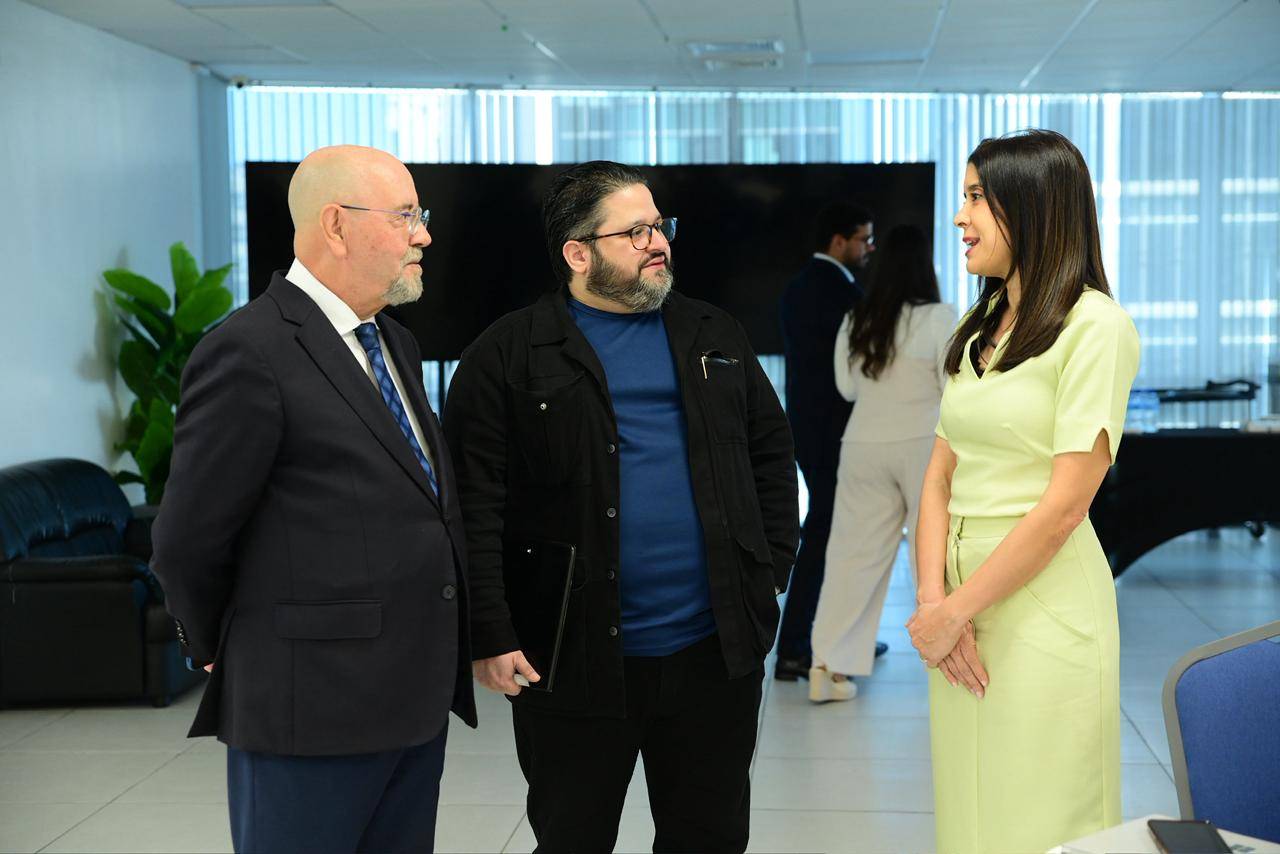
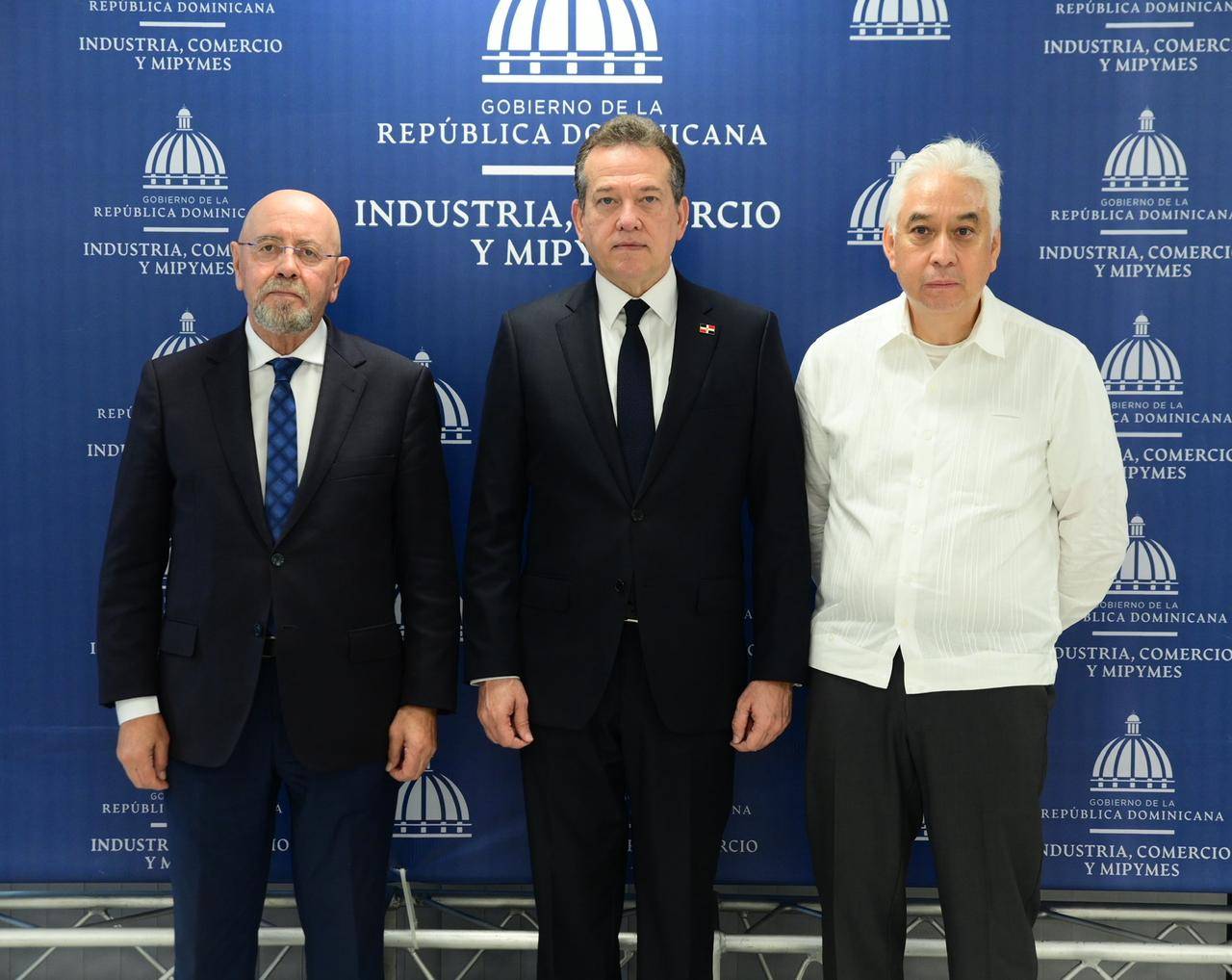
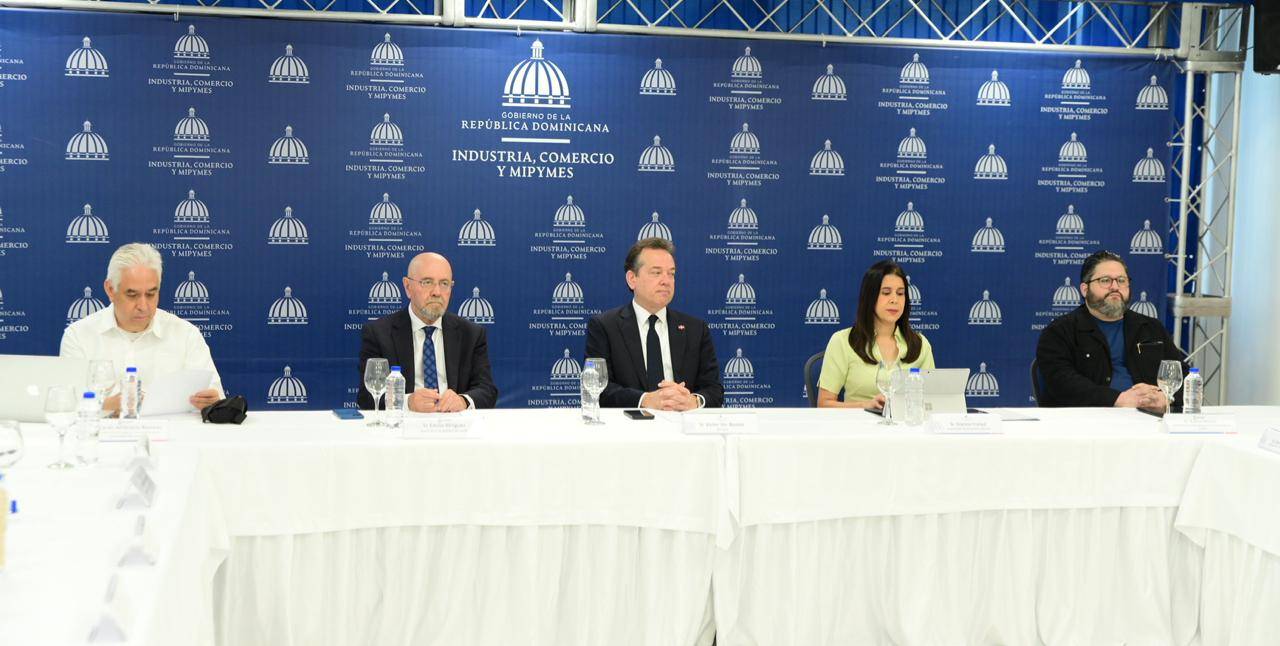
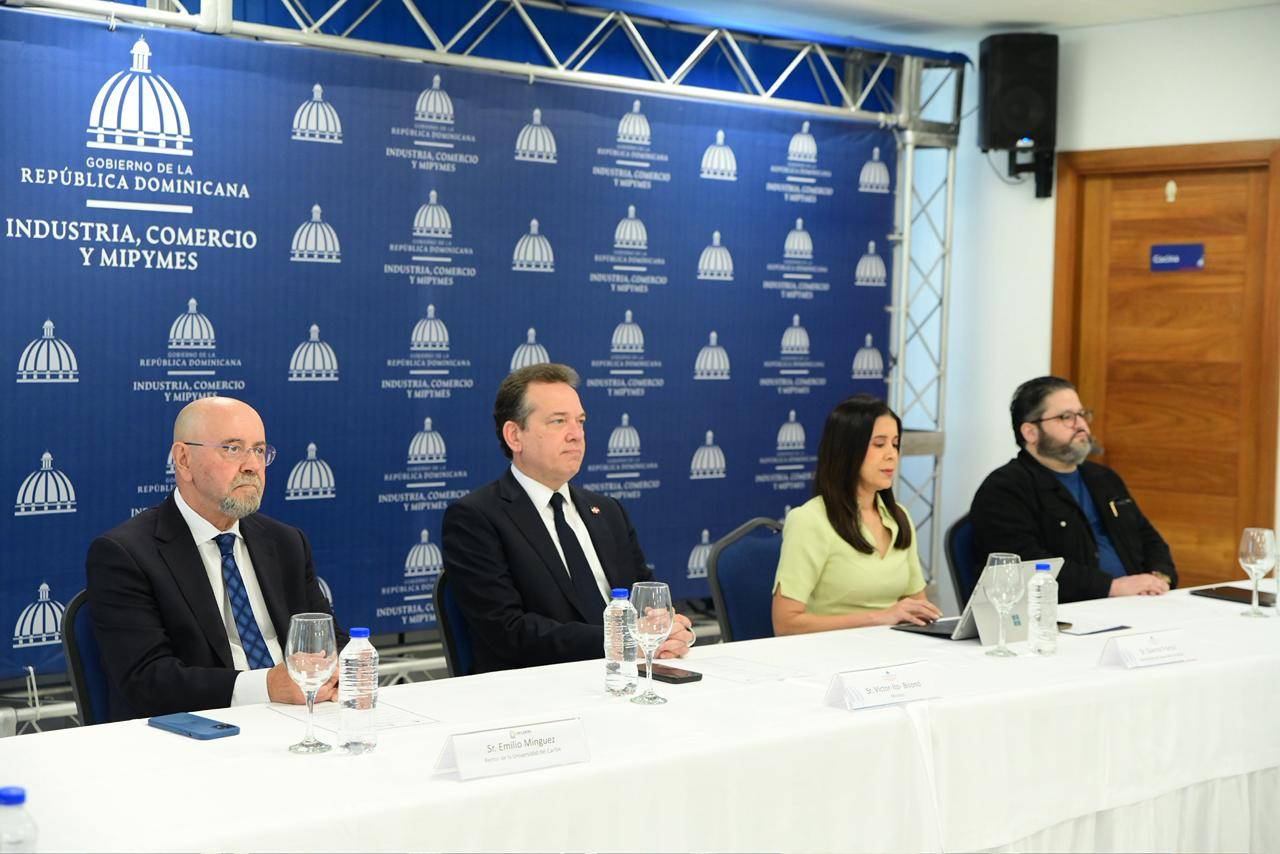
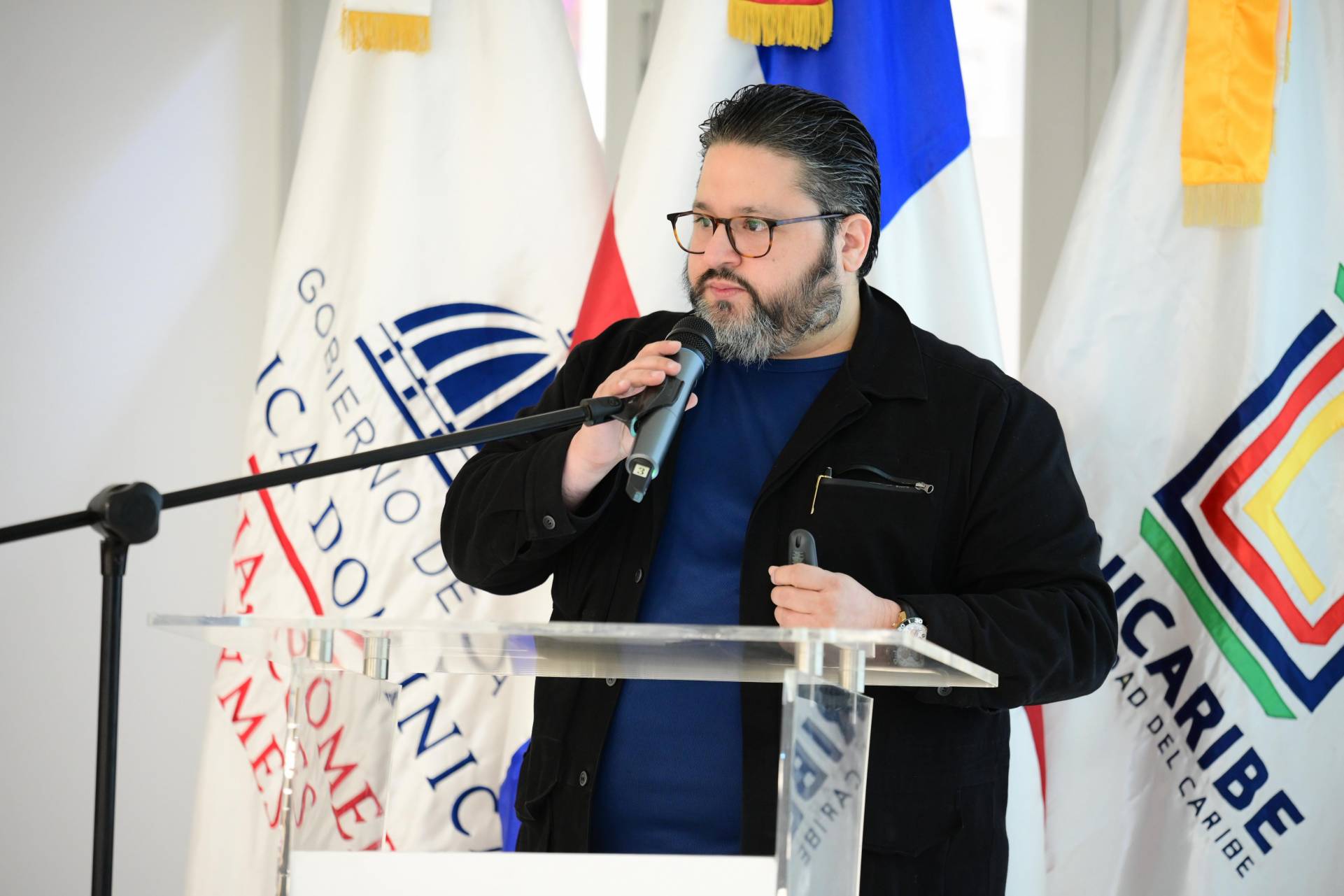
The Dominican Republic took a decisive step towards the consolidation of an innovation ecosystem based on public-private collaboration with the launch of the Activa 4.0 – MIPYMES Industriales program, promoted by the Ministry of Industry, Commerce and MIPYMES (MICM). This initiative seeks to strengthen the competitiveness of micro, small and medium-sized industries through technical assistance, specialized training and the strategic adoption of technologies associated with digital transformation and the transition to Industry 5.0, a model that combines advanced automation with a renewed focus on human talent.
The program is based on the Triple Helix model, which articulates government, academia and industry as drivers of innovation and territorial development (Etzkowitz and Leydesdorff, 2000). In this case, the MICM leads the strategy; the Association of Industries of the Dominican Republic (AIRD) represents the productive sector; and the University of the Caribbean (UNICARIBE) provides applied research, intervention methodologies and training of the necessary talent for the modernization of the country’s industrial enterprises.
A productive context that demands transformation.
Industrial MSMEs face growing pressures related to higher standards of quality, traceability, sustainability and response times. At the same time, they maintain significant gaps in digitization, automation and data use, which limits productivity, hinders integration into value chains and restricts the generation of quality jobs. In addition to these limitations, there is an accumulated deficit in the training of human talent in digital skills, innovation and change management, fundamental aspects for driving technological transformation processes.
The accelerated advance of artificial intelligence and automation increases the urgency to act. The World Economic Forum (2023) warns of the disappearance of traditional jobs, but also projects the creation of occupations linked to digital services, data analysis and high value-added activities. Faced with this scenario, the challenge is not to stop the transformation, but to manage it in an inclusive manner, ensuring that digitization is an opportunity for companies and not an additional factor of productive inequality.
Theoretical framework: from the Triple Helix to the Sixth Helix.
The Triple Helix model understands innovation as a process of co-evolution between university, industry and government. Its evolution subsequently led to the Quadruple Helix, which incorporates the participation of civil society, and the Quintuple Helix, which integrates the environment as a pillar of sustainable development (Carayannis and Campbell, 2009; Carayannis et al., 2012). These extensions recognize the need to generate responsible innovation aligned with social welfare and ecological sustainability.
In a globalized and highly interdependent context, Núñez (2025) proposes the Sixth Helix, which incorporates international linkages as a strategic component to strengthen scientific cooperation, financing, global networks and knowledge diplomacy. This perspective broadens the scope of innovation by articulating the local, national and international levels, creating a framework that favors the scalability of Science, Technology, Innovation and Entrepreneurship (STI+e) initiatives.
Likewise, concepts such as open innovation (Chesbrough, 2003) emphasize the importance of bidirectional knowledge flows; the theory of dynamic capabilities (Teece et al., 1997) explains the ability of organizations to reconfigure resources and adapt; and absorptive capacity (Cohen and Levinthal, 1990) highlights the need to assimilate external knowledge in order to innovate. The literature on linkage governance (Guerrero and Urbano, 2017; Zahra and George, 2002) stresses the relevance of structures and incentives that ensure continuity, transparency and social impact.
A visionary alliance.
Activa 4.0 will develop for five weeks workshops in digital technologies for MSMEs, personalized technical assistance and a pilot with five companies. Its purpose is to design, implement and evaluate a digital and organizational transformation model based on the collaboration of the triple and sixth helix, strengthening technological, human and sustainable capabilities towards Industry 5.0. The program places people at the center of the interaction with smart technologies and functions as a living laboratory where digitalization, talent training and sustainable innovation converge. The results of the pilot will serve as a basis for scaling a state policy of sustained digital transformation through the effective articulation of the innovation propellers.
Authors:
Dr. Rafael Nunez – Principal Investigator
Dr. Ricardo Ramirez and Dr. Emilio Minguez – Co-Investigator.